Podcast with Brands Fashion: The textile industry must move from an assembly line economy to a circular
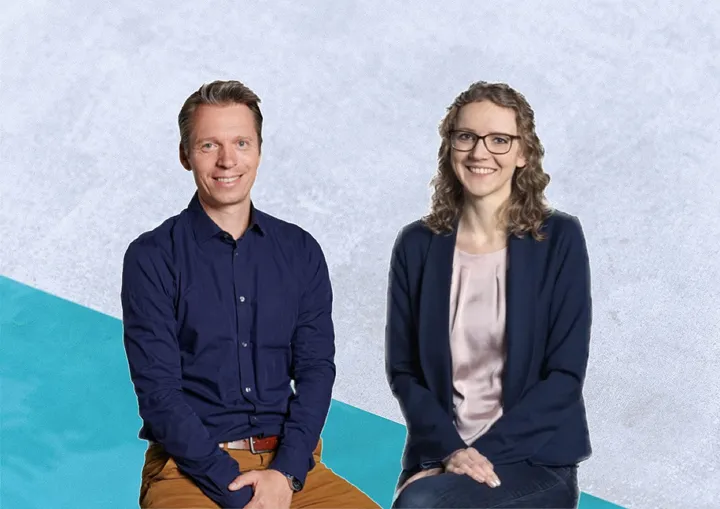
In this episode of the Branschkoll podcast we talk to Brands Fashion a large german supplier of workwear that is big on sustainability and has among other feats managed to get the elusive Cradle to cradle certification (C2C). Their ceo Mathias Diestelmann and sustainability manager Rabea Schafrick talks about the process behind the C2C-certification, how they operate their business in order to serve both large and small customers. And how the coming years with new laws, new thoughts and new aspirations, hopefully will transform the textile industry.
Who is Brands Fashion?
– A German supplier of promotional clothing and workwear and also fan merchandise based just outside of Hamburg. Selling approximately 12 million pieces of clothing every year with german being the main market. 70 procent of our clothing are already certified to some criteria, we are strong within GOTS and Cradle to cradle. We are also expanding in the USA and even though the market is difficult now with the pandemic it is somewhat of a success story since they are pretty new to green fashion, says Mathias Diestelmann
How did you manage to get the Cradle to cradle certification?
– We started the process in 2019 and it took us one year to get four products certified, a t-shirt, a poloshirt, a hoodie and a community mask. A year is a long time but for C2C that is pretty quick, it takes a lot of time to look at the products and the supply chain from every angle. We were already working extensively with GOTS which was a solid foundation but C2C takes it one step further, the basic idea is to design products that have no "end of life", no waste. Our C2C-collection is designed for the biological circle, which means they are biodegradable, so you can just throw them in the landfill and they will become soil without any harmfull effect on the environment, says Rabea Schafrick and continues:
– One of the challenges with C2C is that there is not so many suppliers available providing certified material so we have to do a lot development work here. So we are starting from the beginning and and looking for suppliers that are willing to work with us on this and invest the extra work that is necessary in order to create a product that is sustainable in all different ways you can look at it.
How does the market look for these products and what systemic changes has to be implemented to achieve a more green economy?
– We are taking recourses from mother earth, in a kind of assembly line economy – we take something out, we assemble it and then it becomes waste. We started to think about how we could change this and disrupt this and become more circular. The reaction from the customers has been mixed, among those who are jumping on it are some soccer clubs and retail companies. I believe success is the best proof of concept, when a customers has tried the product and find out it is not inferior in any way and with the knowledge that this product will have a second life and the resources it has claimed will become another product, the change will start to come, I am 100 procent convinced of it says Mathias Diestelmann and continues:
– If today our only deal determination is price, then we will simply continue in our assembly line economy and waste recourses on single use products and will not do any good on climate change. In my personal view price should be governed on a regional or maybe even international law, that gives products with a second life some tax deduction or something else that will make it easier to bring these products in to our economy.
To hear the full conversation where we discuss everything from Mother earth as the perfect looped system to the trend of green factories slowly but surely popping up in Asia and how European laws can transform the industry, consider listening to the whole podcast below.
https://open.spotify.com/embed-podcast/episode/4Tf2P0qBdmi2OcdrzxFBv7
Stor tack till Elin Hall som klippt podden som det proffs hon är! Och till den fantastiskt duktiga Västerås-baserade musikern Mattias Cronert som låtit oss låna en av hans låtar, för mer musik från Mattias, kolla in hans Spotify.